Your 10 Questions About Starting a Podcast in 2026 Answered (No Fluff, Just Honest Answers)
Table of Contents
Starting a podcast in 2026 can feel loud and overwhelming, to say the least.
Everyone has an opinion, everyone is selling a course, and everyone seems very invested in telling you that you’re doing it wrong before you’ve even hit a record button or decided what your show is going to be about.
So that is what this blog post, and our two accompanying podcast episodes are about: answering your top 10 questions about starting a podcast in 2026.
No fluff.
No overcomplicated advice.
No pressure to buy expensive kit, to buy a course or a service.
No unrealistic plans for you to be everywhere on social media, or turn podcasting into a second, unpaid full-time job.
Just clear, realistic answers to the questions that you’re likely asking yourself when your thinking about starting a podcast in 2026.
This blog post combines both of the podcast episodes into one place. Below, you’ll find the answers to the top 10 questions about starting a podcast in 2026.
1. Do You Need Expensive Equipment to Start a Podcast?
Absolutely not.
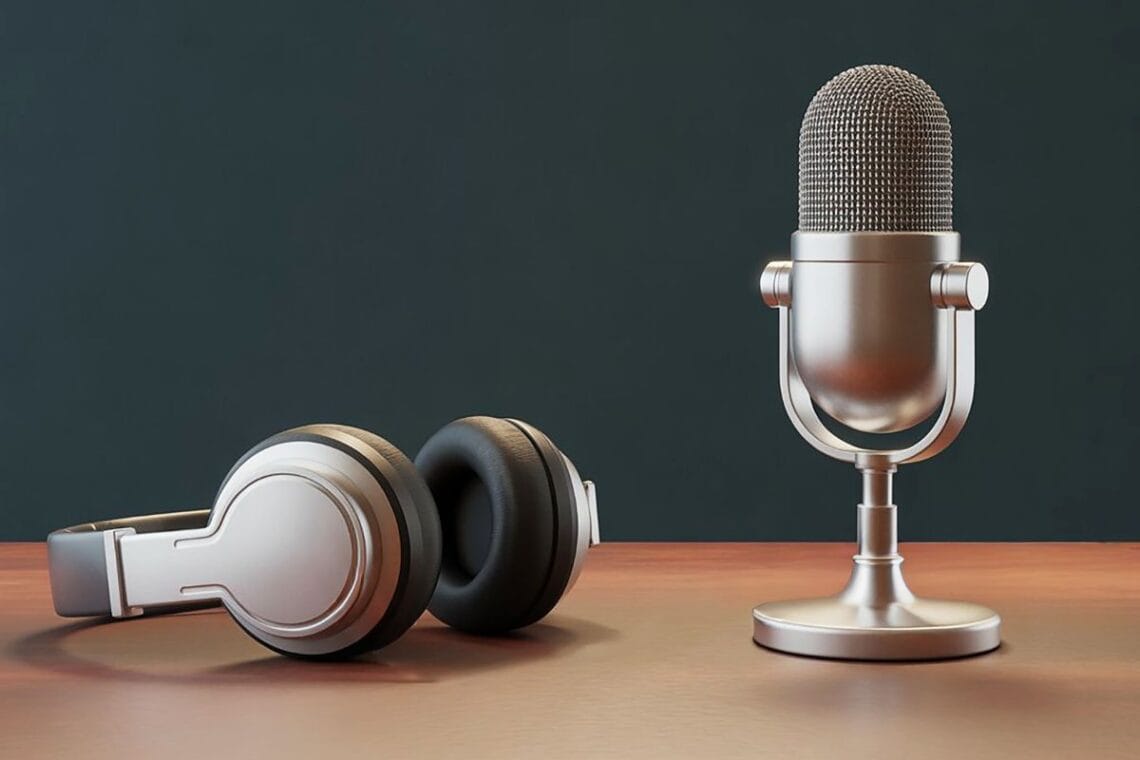
I’ll say that clearly for everyone in the back: You do not need expensive equipment to start or run a podcast.
I podcast very cheaply and have done so for years. I’ve even covered my total podcasting costs before. If you’re curious, you can go back to Episode 103, where I talk about how I cut my podcasting costs by 65% and how I podcast on the cheap effectively.
My current setup is simple.
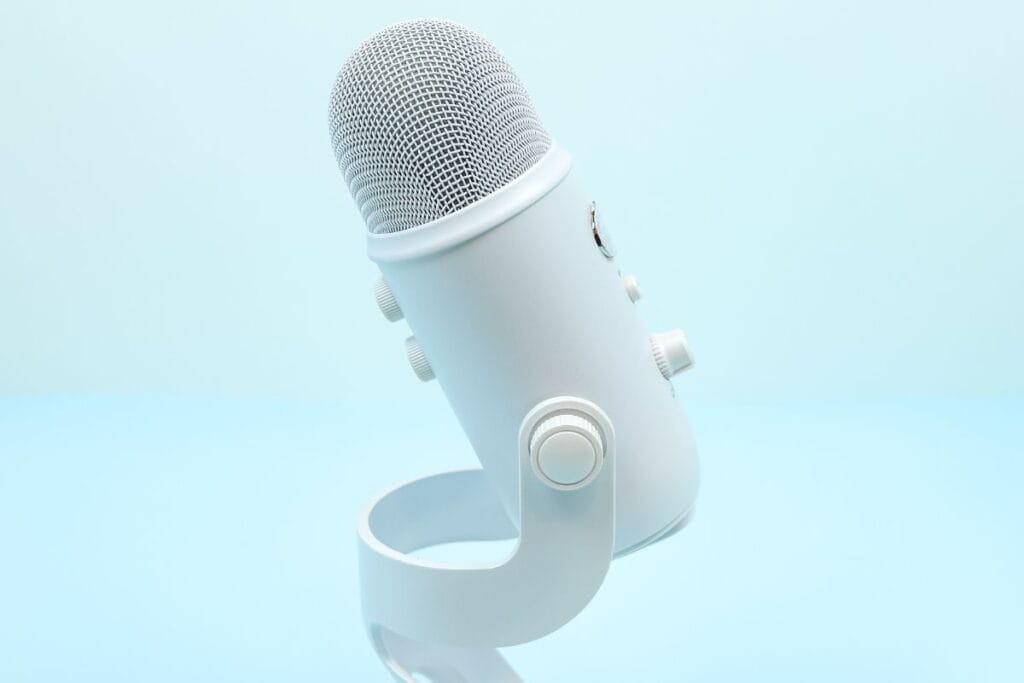
I use a Blue Yeti microphone (a mic that some people absolutely hate, but I think is a brilliant beginner-friendly microphone) and I’ve been podcasting on it for over four years. I don’t feel the need to upgrade.
To get started, you need:
- A decent USB microphone
- Some headphones (they can be cheap as chips)
- A laptop or a phone – basically, anything you can record and edit on
That’s it.
What actually matters isn’t studio-level polish. It’s clarity, consistency, and having something worth saying.
You do not need to buy expensive equipment to have a good podcast, and you definitely don’t need it to get started.
Related Post >> Podcasting on a Budget: How I Slashed My Podcasting Costs by 65%
2. How Long Should Podcast Episodes Be in 2026?
This is one of those questions people desperately want a rule for, and unfortunately, there isn’t one.
There is no “must” length and no ideal length for podcast episodes in 2026. It completely depends on your show, you as the host, and what your audience wants or needs.
Some podcasts work perfectly at five minutes per episode. Others need 30 to 40 minutes. Some go on for nearly two hours, and that works for them, too.
It’s also about what’s sustainable for you. What do you enjoy making? What can you realistically keep up with?
If you want a deeper dive into this, Episode 12 of the podcast covers ideal podcast episode length in more detail.
But the short answer is this: your podcast episodes should be as long as they need to be, and no longer.
3. Do You Need Video for Your Podcast?
This is a contentious one.
A lot of people will tell you that you have to do video going into 2026. I disagree.
Do you need video for your podcast? No, you don’t.
If you want to use video, great. If you want to publish on YouTube or create visual clips for social media, video can be helpful. But if you don’t want to do video, for whatever reason, you don’t have to.
Do not stress yourself out doing video if you’re not interested in it.
If you want to do video, go for it.
If you don’t, this is your permission to keep your podcast audio-only.
4. How Often Should You Release Podcast Episodes?
You should release podcast episodes as often as you can realistically maintain.
If you want to do a daily show and that feels sustainable, go for it. If the idea of that puts the fear of God in you and you can only manage one episode every two weeks, that’s fine too.
You can experiment. Try weekly episodes. Try fortnightly. Add bonus episodes if and when you want to. There is no single correct schedule.
A lot of creative slumps in podcasting come from forcing a schedule that doesn’t work, or not having enough ideas to start a podcast show in the first place. People tell themselves they have to post weekly or they’re failing, and suddenly the podcast stops being enjoyable.
Consistency matters, but consistency can mean once a month or once every two weeks. What matters more is that you enjoy what you’re doing, because that always comes through in the content.
Nobody wants to listen to a podcast where the host sounds forced and miserable.
Related Post >> Finding the Sweet Spot: How Often to Release Your Podcast Episodes
5. Do You Need Social Media to Grow a Podcast?
Not necessarily.
I put a huge focus on SEO (search engine optimisation) for this podcast. So much so that ChatGPT has actually recommended episodes of The Lazy Girl’s Guide to Podcasting (or Podcasting for Indie Podcasters as it’s now called) when people ask it for podcasting tips.
If social media, or certain platforms, completely drain you, don’t force it.
You could:
- Use a blog
- Build an SEO strategy
- Rely on word of mouth
- Promote in newsletters
- Share your podcast in communities you’re already part of
If you do use social media, choose platforms you actually enjoy showing up on.
For example, when I first started this podcast, I promoted it heavily on TikTok. Eventually, I stopped – and in Episode 63, I talk openly about why. I simply wasn’t enjoying it anymore.
It’s better to focus on one platform you enjoy than to spread yourself thin across five and produce content you don’t even like making.
6. How Do You Pick a Podcast Niche?
A niche is simply the topic you’re going to talk about.
It can be broad, like gardening, or very specific, like grass care for tiny gardens with no lawns. Both are valid, but both require slightly different areas of expertise and interest.
When you’re starting out, the most important thing is not to overthink it.
There is a lot of pressure online to get hyper-specific immediately, but doing that too early can actually stop you from starting at all.
Sometimes you need to go broad first so you can figure out:
- What you enjoy talking about
- What you care about
- What you have experience in
- What you can talk about consistently
This podcast might look broad on the surface, but it’s actually aimed at people who want quick, practical podcasting tips, with episodes under 10 minutes.
When picking your niche, choose something you care about and can talk about over and over again.
Related Post >> 9 Essential Things to Do Before Starting a Podcast in 2026
7. Should You Script Your Podcast or Wing It?
This is completely up to you.
Scripting can give you structure, clarity, and fewer “ums.” Winging it can give you spontaneity and realness.
I often use bullet points (sometimes three or four on a post-it note or in the episode planning section of Captivate.fm) just to keep myself on track.
Before I wrote this blog post and recorded the podcast episode, I had each question written down with a few bullet points underneath to keep me on track for answering the questions and linking back to different episodes that I felt a listener might be interested in listening to next.
I’ve also recorded many episodes where I’ve hit ‘record’ with nothing more than an idea and just saw how it went.
Other times, I’ve fully scripted an entire episode and read it nearly word-for-word.
If you aren’t sure if you need a full podcast script or not, there’s nothing wrong with experimenting with the following approaches and seeing which works best for you as a podcaster:
- Read from a full script
- Completely wing it
- Use a detailed outline
- Stick to bullet points
Related Post >> How to Write A Podcast Script: From Start to Finish
8. How Do You Get Listeners for a Podcast?
This is a big question and one that we could talk about for hours.
But the first approach you need to take to getting listeners to your podcast is to put yourself in their shoes.
Start with your episode titles. Are they actually enticing? Would you click on them?
No?
Then why should a listener who’s stumbled across your show click ‘play?’
Next, consider your show notes. They should also include keywords for SEO, which make your episodes more searchable for your listeners to find. If you want help with that, Episode 104 breaks down my podcast SEO strategy in detail.
Beyond SEO, reach out to communities who would genuinely find your content useful. Ask listeners to share your episodes.
Most people discover new podcasts through recommendations from friends. But people can be lazy; if you don’t ask them to share, they often won’t.
So tell them.
Give your audience permission to share your podcast, and often, they will.

9. What’s the Best Podcast Hosting Platform?
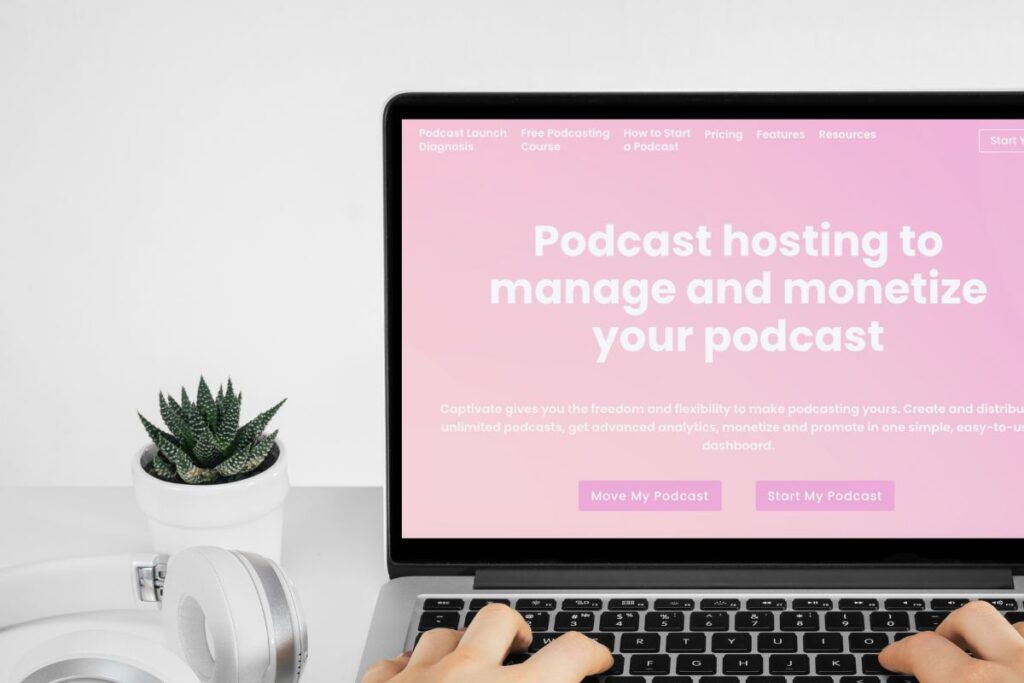
A hosting platform is where your podcast lives and where it gets distributed to players like Apple Podcasts and Spotify.
And there is no single best hosting platform.
I host with Captivate.FM, but that doesn’t mean it’s right for everyone. Some platforms are free, others cost over £1,000 a month.
What matters is:
- Ease of use
- Clear analytics
- Distribution reach
- Features you’ll actually use
- Cost that feels right for you
Some people prefer all-in-one tools like Riverside.fm. Others want something simple. There is no one-size-fits-all answer.
10. Do You Need a Launch Strategy for Starting a Podcast in 2026?
A launch strategy can be helpful, but it’s not essential.
At a minimum, it’s useful to launch with more than one episode so people know you’re not going to disappear after episode one.
What I don’t recommend is getting so caught up in launch schedules and countdowns that you forget to plan for after the launch.
Personally, I’ve always done soft launches. That’s allowed me to be messy, flexible, and grow organically without putting huge expectations on myself.
If you want a big, structured launch, that’s fine. But you don’t need one.
It’s okay to start messy, start small, and build slowly.
Final Thoughts on Starting a Podcast in 2026
Starting a podcast in 2026 doesn’t need to be complicated.
You don’t need expensive equipment. You don’t need video. You don’t need to be everywhere online. You don’t need a perfect niche, a perfect schedule, or a perfectly planned launch.
What you do need is clarity, consistency that works for you, and the willingness to start.
If this post has simplified things or made podcasting feel more doable, that’s exactly the point.
And if you still have questions about starting a podcast in 2026, feel free to post them in the comments below. They might just become a future episode!
Happy podcasting.

Verity Sangan
Hey! I'm Verity. I love all things podcasting and am passionate about helping more women to find their voice through podcasting. When I'm not working or busy with mum duties, I host Podcasting for Indie Podcasters (formerly The Lazy Girl's Guide to Podcasting).